Table Of Content

Infected ingrown hairs can be uncomfortable, but most clear up on their own in 7–10 days with good hygiene. This can help ease the ingrown hair out of the skin on its own. Never pick or pop an infected ingrown hair, as this also increases the risk of complications.
Ingrown Hair Treatment
If you are treating a sensitive part of the body, consider a product that utilizes a chemical exfoliant. We also wanted to include a wide variety of products at different price points so you can find an ingrown hair treatment that works for you, regardless of budget. Lastly, we researched the effectiveness of each product before including it on our list. What makes this particular treatment one of our favorites for the body is how easy it is to apply—no need for cotton balls or scrubs. The Razor Bump Stopper Solution comes in a bottle with a built-in roll on applicator so you can easily reach any part of your body that frequently has ingrown hairs.
Use chemical hair removers
We independently evaluate all recommended products and services. If you click on links we provide, we may receive compensation. The doctor might also prescribe a prescription-strength steroid or antibiotic ointment, retinoids, or an oral antibiotic, depending on the severity of the infection. After the infection has cleared, you may have a scar or discolored skin that can last for several months.
Medical Professionals
Before you know it that area will be smooth and free of those little-ingrown hairs. As a consequence, surrounding hairs can start growing abnormally. Every man who tried catching ingrown hairs with tweezers knows how frustrating it can be to pull it when there are multiple thin or thick hairs formed as one. However, if an ingrown hair cyst becomes too painful and irritates the skin on your face you should seek medical attention. After all, not only the symptoms are similar but they also look alike.Even the dermatologists can find it hard to make a difference between symptoms of ingrown hair and acne.
How We Selected the Best Ingrown Hair Treatments
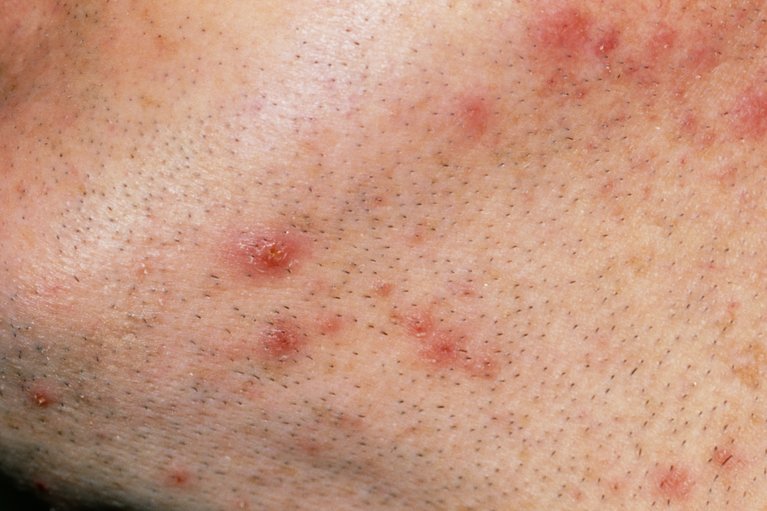
Similar to many other products on this list, it includes glycolic acid as an exfoliant, as well as witch hazel to soothe your skin after shaving. Signs of ingrown hair include a red or raised bump, or you may have larger painful bumps similar to cysts or boils. Ingrown facial hair can also be itchy, uncomfortable, and unsightly.
If you pull your skin to get a straighter shave, your hair may get trapped beneath the skin, causing an ingrown hair. However, other ingrown hairs may need to be removed, especially if it turns into an ingrown hair cyst. Whether you shave, wax, or tweeze, removing hair isn’t always trouble-free. The process can cause swelling, irritating your skin, and leading to razor bumps and cysts. Keep reading to learn about the types of ingrown hair cysts, and how to treat and prevent them. The safest shave regimen is one that carefully goes through every step of the shave and makes no haste, both doctors agree.
Best for Damaged Hair: Kérastase Genesis Fortifiant Hair Serum
In severe cases, a doctor may refer a person to a skin specialist. If your ingrown hair has looped or curled back into your skin, you can remove it by gently pulling it out with a sterile needle, pin, or tweezers. Thread the sterile needle, pin, or tweezers through the exposed hair loop. Lightly exfoliating with an OTC scrub daily can help lift hairs that are already above the skin's surface, preventing them from growing back into the skin. OTC scrubs are most effective as a preventative measure in minor cases of pseudofolliculitis barbae, and only if the skin is not considerably inflamed. Pseudofolliculitis barbae is incredibly common in Black men and men who have curly facial hair.
In other words (and in short), a safety razor like Rockwell Razors' Double-Edge Safety Razor ($164) hits the sweet spot between a close shave and not an overly close shave. Not to mention, its blades are cheaper, and much easier to buy in bulk (and thus part ways with, to promote better shave hygiene). Other key ingredients are meant to reduce the severity of razor bumps, redness, and irritation that can show up after a close shave. One of the more effective blends of soothing key ingredients is in the Bliss Ingrown Hair & Razor Bump Eliminating Solution which combines oat and green tea extract. When searching for an effective ingrown hair treatment, the ingredients and how they interact with that part of the body are two of the most important considerations.
How to prevent and get rid of ingrown hairs, according to experts - CNN Underscored
How to prevent and get rid of ingrown hairs, according to experts.
Posted: Tue, 31 May 2022 07:00:00 GMT [source]
Deep ingrown hairs frequently arise when a hair has been removed and then starts growing back and curves into the skin. When it comes to women's facial hair, chin hair is one of the more common concerns. The unsightly hairs tend to be thick, and they sprout up quickly. What's more, if they're not removed properly, they can grow back as ingrown chin hair, which can cause inflammation, pain, and tiny bumps in the area where the hair was removed. To teach us how to prevent and treat ingrown chin hair, we called on the pros.
In general, pseudofolliculitis is easy to diagnose, but there are other skin conditions that cause inflamed bumps. Sometimes these conditions can occur at the same time as PFB. Interestingly, some people are more prone to developing pseudofolliculitis barbae regardless of their hair texture.
PFB can also appear on the back of the neck, in the pubic area, and occasionally on the underarms, arms, or legs. This article discusses the causes of pseudofolliculitis barbae, what it looks like, and how it can be prevented and treated. Tea tree oil should be diluted with some water before you apply it on the skin.Aloe vera is the most effective when you use it right after shaving and leave it for some minutes. Anything more than that will dry out the skin, causing new problems.Finally you should moisturize your face. When you exfoliate your skin it can become dry or irritated. Ingrown hairs are more likely to show on dirty and oily skin.
Ingrown facial hairs can’t be treated the right way if you don’t know what caused them in the first place. Doctors often think that ingrown hair is the result of skin infection and prescribe antibiotics when there is no need for them. The most important step is to test your serum before using it for the first time. “Apply the serum to a small spot on the scalp for a few days to ensure that there is no irritation before applying it more broadly,” says Dr. Mirmirani. “A measured approach is best.” To that end, get comfortable with the fact that you’ll need to be both consistent and patient in your usage, as the results can take time.
Sometimes ingrown hairs are irritating to deal with or become a regular problem. When this happens, some people stop removing hair in the problem area altogether. Use gentle soaps to clean areas around the ingrown hair and prevent infection.
These pockets of hair and skin debris usually happen at the base of your tailbone, between your buttocks. While this makes for a nice, close shave, it also sets up the perfect scenario for pseudofolliculitis to develop. The sharp, angled point that shaving creates at the tip of each hair can more easily pierce the skin as the hair grows. It develops when shaved hairs curve back into the skin, leading to inflammation. Exfoliating your skin removes a dead layer of skin cells and helps release ingrown hairs.
It is recommended that you use it on dry skin and it can be easily applied with a cotton ball once or twice a day as needed. After only a few uses, you should see a reduction in post-shaving redness and razor bumps. An infected ingrown hair — also known as folliculitis — typically looks like a bump, a hard lump, or a cyst under the skin. The most common cause of ingrown hairs is an improper shaving technique. Cutting hair very close to the skin creates a very sharp tip on the end of each of the hairs. If you shave, tweeze, or wax your hair, you can develop ingrown hairs.


No comments:
Post a Comment